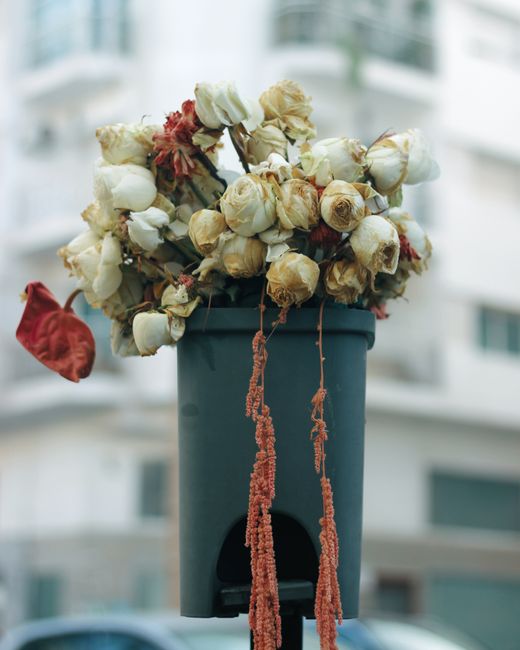
Floral waste disposal rules in Harrow what local law requires
Posted on 04/10/2026
If you run a florist, manage event flowers, or simply want to clear out old bouquets properly, the rules around floral waste disposal in Harrow can feel more confusing than they should. A few petals in the kitchen caddy is one thing; multiple buckets of stems, wrap, ribbon, and soggy foliage after a wedding is another. The good news is that the local requirements are fairly workable once you understand what counts as floral waste, what Harrow expects, and how to keep disposal sensible, clean, and compliant.
This guide breaks down Floral waste disposal rules in Harrow what local law requires in plain English. You'll see what the law generally means in practice, how collection and segregation work, where people usually go wrong, and how to choose the safest disposal method for homes, shops, venues, and catering teams. No fluff. Just the useful bits, properly explained.

Table of Contents
- Why Floral waste disposal rules in Harrow what local law requires Matters
- How Floral waste disposal rules in Harrow what local law requires Works
- Key Benefits and Practical Advantages
- Who This Is For and When It Makes Sense
- Step-by-Step Guidance
- Expert Tips for Better Results
- Common Mistakes to Avoid
- Tools, Resources and Recommendations
- Law, Compliance, Standards, or Best Practice
- Options, Methods, or Comparison Table
- Case Study or Real-World Example
- Practical Checklist
- Conclusion
- Frequently Asked Questions
Why Floral waste disposal rules in Harrow what local law requires Matters
Floral waste might look harmless, but once it's mixed with packaging, plastic tape, wet foam, or general rubbish, it can become a nuisance very quickly. It smells. It leaks. It attracts pests. And if you're dealing with business waste, it can also create compliance problems if it's stored badly or placed in the wrong collection stream.
In Harrow, as in the rest of London, the practical expectation is straightforward: waste should be handled responsibly, kept separated where necessary, and placed in the right collection route. That sounds obvious, I know, but in real life it's often where things slip. A florist gets busy on a Friday afternoon, a wedding team clears down at 11 p.m., or a family is tidying after a funeral tribute and doesn't quite know what to do with the flowers, oasis, and wrapping. That's where clear disposal habits matter.
The legal side matters because waste duties are not just about tidiness. They are about environmental protection, public hygiene, and proper duty of care. For businesses, that means you should be able to show that waste is stored securely, handed to the right collector, and not just dumped in a mixed bin because it was easier at the time. Harrow's local enforcement approach will usually focus on practical compliance, not drama, but that does not mean you can be casual about it.
Expert summary: the safest approach is to treat floral waste as a managed waste stream, not an afterthought. Separate the biodegradable parts from packaging, keep wet waste contained, and use the right disposal route for the volume and setting.
For florists and event businesses, this also touches your brand. A clean back-of-house space, a tidy waste area, and proper disposal habits say a lot. Customers may never see the bins, but they absolutely notice when a premises smells fresh instead of swampy by mid-afternoon. Truth be told, that matters more than people admit.
How Floral waste disposal rules in Harrow what local law requires Works
To understand floral waste disposal properly, it helps to split the waste into types. Not everything from a bouquet belongs in the same bag. Some parts are organic and compostable; some are recyclable; some are contamination risks; and some must go with general waste. The rules are really about separating those streams where feasible and disposing of them in a way that does not create health, hygiene, or environmental issues.
Typical floral waste includes:
- cut flowers, stems, leaves, and foliage
- wilted arrangements and bouquet trimmings
- plant matter from event styling or shop preparation
- water from buckets, if it may be contaminated or messy
- non-organic materials such as cellophane, rubber bands, wires, ribbon, foam, tape, and plastic sleeves
For household waste, small quantities of flowers usually go in the appropriate organic or residual bin depending on what Harrow's current collection arrangement allows in your area. If no garden waste or food waste-style organic collection is available for the specific item, it typically ends up in general waste. That said, always avoid throwing in packaging or florist foam with compostable material if it contaminates the stream.
For businesses, the approach is more structured. A florist shop, hotel, restaurant, wedding venue, or care provider that handles regular floral waste should think in terms of waste segregation, storage, collection frequency, and duty of care documentation. In practice, that means keeping a simple system: one container for organic floral material, another for non-organic packaging, and a clear route for residual waste.
What local law requires is not usually "flowers in a special bin because flowers are flowers." It is broader than that. The expectation is that waste is handled responsibly, non-hazardous waste is not mixed inappropriately, and you are not causing a nuisance or fly-tipping risk. Sounds basic, but this is where real-world compliance lives.
If you are already thinking about how floral waste fits into a broader business waste routine, it can help to review your wider handling policies too. For example, some teams use the same mindset they apply to delivery planning and customer service. Pages like delivery and sustainability show how operational care and environmental responsibility often sit together in a florist business, not separately.
Key Benefits and Practical Advantages
Proper floral waste disposal is not just about avoiding trouble. There are real everyday benefits, and many of them are surprisingly practical.
- Cleaner workspaces: Less odour, less moisture, fewer pests, and fewer slippery floors.
- Better customer experience: A tidy shop or venue gives a stronger impression immediately.
- Lower contamination risk: Organic waste is easier to manage when it stays uncontaminated.
- Improved compliance: Keeping waste separated supports duty of care expectations.
- Less manual hassle: Clear systems save time during busy periods.
- More sustainable practice: When compostable material is kept clean, it can often be handled more responsibly.
For home users, the main benefit is simple convenience. No one wants a vase of decomposing stems sitting in the kitchen for two days because they weren't sure where to put it. For businesses, the gain is bigger. Good waste habits reduce complaints, reduce clean-up time, and make it easier to train staff. Small process, big difference.
There is also a reputational angle. In a local area like Harrow, people notice when a business looks cared for. A florist that clearly values sustainability and neat handling tends to inspire more confidence. That can matter during peak seasons when the shop is hectic and every bucket of blooms seems to appear at once. Bit of a juggling act, really.
Who This Is For and When It Makes Sense
This topic matters to more people than you might expect. It is not only for florists. If flowers pass through your hands in any meaningful quantity, these rules are relevant.
Florists and flower shops
Shops produce daily offcuts, unsold stock, damaged stems, wrapping waste, and sometimes large amounts of packaging. If you are trimming bouquets behind the counter, you need a routine that keeps waste separate and manageable. That is especially true if you prepare wedding work, sympathy tributes, or event arrangements.
Wedding venues and event planners
Events create intense bursts of floral waste. Centerpieces, arch flowers, table arrangements, and bridal bouquets all need clearing quickly after use. When the room is being turned over fast, it is easy to throw everything together. Not ideal. A better system keeps compostable material apart from ribbons, wires, and decorative plastics.
Caterers, hotels, and hospitality teams
Many hospitality settings use floral displays to lift the atmosphere. When those arrangements are refreshed, the waste should be removed properly and promptly. That avoids smells in public-facing spaces and keeps back-of-house areas cleaner.
Funeral directors and memorial florists
Floral tributes often arrive with card, cello wrap, wire frames, foam, and other mixed materials. This means disposal needs a little care. Some items may be kept for repurposing or recycling, while others should be placed in residual waste. Sensitivity matters here, obviously, but so does a practical system.
Households
Even at home, the question comes up more often than people think. A bunch left in water too long, funeral flowers, or garden cuttings from a celebration all raise the same issue: what should be separated, and what can go in the bin?
Step-by-Step Guidance
If you want a simple, workable process, use this sequence. It is not fancy, but it does the job.
- Sort the floral waste first. Separate stems, leaves, and petals from plastic wrap, tape, ribbon, foam, wire, and boxes.
- Check whether the organic material is clean. If it is only plant matter, it is easier to manage responsibly. If it is soaked with chemicals, foam fragments, or food contamination, treat it more cautiously.
- Drain excess water. Empty buckets in a controlled way so you do not create spills or slippery patches.
- Contain the waste. Use bags, bins, or lidded containers. Wet flowers can go slimy quickly, especially in warmer weather or after a long day.
- Choose the correct disposal stream. Organic waste, recyclable packaging, and residual rubbish should not be mixed unless you have no realistic alternative.
- Store it safely until collection. Keep it away from public areas, food preparation spaces, and anything that could attract pests.
- Document business waste handling if needed. For commercial operators, keep records of collection arrangements and any waste contractor details.
That may look obvious written out like this, but in the rush of a busy afternoon, people skip step two and step four. Then they wonder why the bin smells like a pond by Tuesday. Happens all the time.
A good practical rule: if a material would complicate composting or organic collection, pull it out. If you are unsure, treat it as mixed waste rather than guessing. Guessing is rarely the glamorous route, and it is usually the one that causes headaches later.
Expert Tips for Better Results
Here is where the small improvements make a real difference.
- Keep two waste stations. One for green waste, one for packaging. It sounds basic because it is. Basic works.
- Use breathable but contained storage where appropriate. For short holding periods, a lidded bin or tied bag can stop odours escaping into the room.
- Train staff on what not to mix. Foam and plastic sleeves are the usual offenders. They sneak in when people are tired.
- Empty floral waste daily in warm conditions. Do not let wet stems sit around too long. The smell appears quickly, especially in a heated shop.
- Label bins clearly. A small sign can save a lot of confusion during busy service.
- Review your waste routine after busy weekends. Wedding season and holidays can expose weak points in your system.
If you run a florist, you may also want to connect waste handling with stock management. A better ordering plan means fewer unsold blooms and less disposal pressure at the end of the week. It is not only about getting rid of waste; it is about producing less of it in the first place. That is the real win, frankly.
One small but useful habit: keep a wet-waste caddy liner or a dedicated bucket for stems. It reduces mess enormously. You only need to forget this once after a long Saturday. Then you remember forever.

Common Mistakes to Avoid
Most disposal problems come from a handful of repeat mistakes. Avoid these and you are already ahead.
- Mixing plastic wrap with compostable flowers. Once mixed, the whole load is harder to manage properly.
- Leaving water in buckets too long. Stagnant water and flower residue can smell surprisingly fast.
- Overfilling bags with wet material. They tear, leak, and create a mess in transit.
- Using general rubbish as the default for everything. It is easy, yes, but not always the right answer.
- Ignoring business waste obligations. If you operate commercially, "we were busy" is not a compliance plan.
- Storing floral waste near food or customer areas. It is a bad look and can become a hygiene issue.
Another common slip is forgetting about the small stuff: tags, florist pins, elastic bands, water tubes, foam picks, and wire. Those little extras are exactly the things that create contamination. Tiny items, annoying consequences. That's the game.
Tools, Resources and Recommendations
You do not need complicated equipment to handle floral waste properly. A few sensible tools make the routine much easier.
- Pedal bins or lidded bins: useful for hygienic containment in work areas.
- Heavy-duty bin liners: better for wet stems and mixed organic waste.
- Clearly labelled recycling containers: ideal for separating packaging from plant material.
- Small hand trolleys or crates: helpful when clearing larger event waste loads.
- Absorbent spill supplies: a practical back-up for bucket leaks and drips.
- Waste logs or collection notes: useful for commercial operators who need a record of disposal arrangements.
It also helps to understand your business policies alongside waste handling. If you are building a more responsible operation, pages like about us, guarantees, and flower care can support a customer-facing picture of quality, care, and consistent standards. They are not waste rules as such, but they fit the same trust-building mindset.
For customers arranging floral services for events, it can also be useful to ask your supplier what happens to leftover stems, packaging, and display waste. A good florist should be able to explain their approach without making it sound like a mystery novel.
Law, Compliance, Standards, or Best Practice
Let us be careful and plain here. This article is not legal advice, and local waste expectations can change through council service arrangements, contractor policies, and wider environmental rules. Still, some core principles are stable and worth following.
1. Duty of care applies to business waste. If you produce waste as a business, you are responsible for making sure it is stored, transferred, and handled properly. In practice, that means you should know who collects it, where it goes, and whether it is kept separate from unsuitable material.
2. Waste should be kept secure. Bags should not be left open, blown around, or dumped where they could become a nuisance. This is especially relevant in shared yards, alleyways, and loading areas.
3. Segregation matters. Organic floral waste, recyclable packaging, and residual waste should be separated where that is practical. Mixed loads are much harder to manage responsibly.
4. Local collection arrangements matter too. Harrow residents and businesses may have different options depending on property type, collection schedule, and service level. Always follow the current local arrangement rather than relying on guesswork from last year or "what the shop next door does."
5. Avoid nuisance and fly-tipping risks. Even clean floral waste can become a problem if it is abandoned in the wrong place. Good disposal is also about presentation and timing.
For businesses, a simple compliance standard is this: can you explain your waste routine clearly if someone asks? If the answer is yes, you are probably on the right track. If the answer is "sort of, I think so," then it is worth tightening up. Better now than after a messy week.
Options, Methods, or Comparison Table
Different floral waste situations call for different disposal methods. Here is a practical comparison.
| Method | Best for | Pros | Watch-outs |
|---|---|---|---|
| General waste bin | Small mixed loads, household leftovers, contaminated materials | Simple and widely available | Not ideal for large organic volumes; can smell if left too long |
| Organic waste stream | Clean stems, leaves, petals, and plant matter | Cleaner disposal route, better separation | Only works well if packaging and foam are removed first |
| Recycling for packaging | Clean paper sleeves, cardboard, certain wraps where accepted | Reduces residual waste | Contamination from water or plant residue can make items unsuitable |
| Commercial waste collection | Florists, venues, hotels, event teams | Predictable, regular, easier to manage at scale | Needs proper contract handling and clear segregation habits |
In practice, many businesses use a combination. A florist might separate stems for an organic route, cardboard for recycling, and leftover mixed waste for general collection. That is usually the most balanced method. One bin for everything is rarely the clever choice, even if it feels quicker in the moment.
Case Study or Real-World Example
Here is a realistic example from a busy local scenario. A Harrow wedding venue hosts a Saturday reception with table arrangements, aisle flowers, and a large floral backdrop. By late evening, the team is tired, guests are chatting outside, and the clean-down needs to happen fast. The instinct is to throw everything into big black bags and worry about it tomorrow.
Instead, the venue team does it in three stages. First, they remove reusable glassware and collection items. Then they separate the flowers and stems from ribbons, tags, and foam. Finally, they bag the organic material separately and keep the packaging waste in a different container for the next collection run. It takes a few minutes more, but not much, and the room is easier to reset. The next morning, there is no sour smell hanging about in the corner by the service door. Small victory. Big relief.
That is the key point. Good floral waste management is not about heroic effort. It is about small habits that prevent a bigger mess later. If you have ever walked into a room on a Monday morning and caught that damp-flower smell, you know exactly what I mean.
Practical Checklist
Use this checklist for day-to-day floral waste disposal in Harrow.
- Have I separated flowers and stems from plastic, wire, ribbon, and foam?
- Is the organic waste clean enough for the intended disposal route?
- Have I emptied standing water safely and prevented spills?
- Are bins clearly labelled and easy for staff to use?
- Is floral waste stored away from food areas and customer-facing spaces?
- Have I arranged the right collection method for the volume I produce?
- Do I know what my business waste responsibilities are?
- Have I checked for any local collection changes or seasonal service adjustments?
- Are bags sealed and containers secure before they leave the premises?
- Am I reducing waste at source by ordering carefully and reusing where possible?
If you can tick most of those without hesitation, you are probably in a strong place. If not, no panic. Start with separation and containment; those two fixes solve a lot.
Conclusion
Floral waste disposal in Harrow is not especially complicated, but it does reward a bit of organisation. Separate what can be separated, keep wet waste under control, avoid contaminating recyclable or organic material, and make sure business waste is handled with proper care. That is the core of what local law expects in practice.
For households, that means common-sense disposal and not overthinking a few spent stems. For florists, event teams, and hospitality businesses, it means building a simple routine that keeps waste tidy, safe, and compliant. The real goal is not perfection. It is a clean, workable system that keeps things moving without a last-minute scramble. And honestly, that feels better for everyone.
Get a free quote today and see how much you can save.
When you get the basics right, floral waste stops being a headache and becomes just another small part of a well-run space. Nothing dramatic. Just neat, responsible, and done properly.
Frequently Asked Questions
What counts as floral waste in Harrow?
Floral waste usually includes cut flowers, stems, leaves, foliage, wilted bouquets, and arrangement offcuts. It can also include related leftovers like ribbon, wrap, tape, wire, foam, and water from containers. The key is to separate the organic material from the non-organic bits where possible.
Can I put flowers in my garden waste bin?
In many cases, clean plant material can go with organic or garden-style waste, but you should follow the collection rules that apply to your property and current local service. If flowers are mixed with plastic wrap, foam, or other contaminants, they may need to go in residual waste instead.
Do florists in Harrow have different waste rules from households?
Yes. Households usually follow normal local collection arrangements, while florists and other businesses have duty of care responsibilities for commercial waste. That means they should store waste properly, use the right collector, and keep a sensible system for separating materials.
What should I do with flower wrap and ribbon?
These materials should usually be separated from the flowers. Clean cardboard or certain paper packaging may be recyclable depending on its condition, while plastic wrap, ribbon, and tape often need residual waste handling if they are not accepted for recycling locally.
Is floral foam treated as normal flower waste?
No, not really. Floral foam is a non-organic material and should not be mixed with compostable stems or petals. It can create contamination issues, so it should be handled as part of mixed residual waste unless a specialist route is available.
How often should a flower shop empty waste?
That depends on volume, season, and weather, but daily emptying is usually sensible for wet floral waste. In warmer months or busy periods, more frequent removal may be needed to prevent odour and mess.
Can I compost old flowers at home?
Often yes, if they are clean plant material and free from plastic, wire, foam, and other non-compostable items. If the flowers were treated with anything unusual or heavily mixed with packaging, it is safer to dispose of them another way.
What are the biggest compliance risks for businesses?
The biggest risks are poor segregation, insecure storage, fly-tipping-style dumping, and not knowing who is responsible for collection. A mixed, messy waste area can also create hygiene problems and complaints from neighbours or customers.
How can I reduce floral waste in the first place?
Order more accurately, store flowers correctly, use stock rotation, and repurpose suitable stems into smaller arrangements. Better planning means less waste at the end of the week, which is good for the budget and the bins.
Do I need a specialist waste contractor for floral waste?
Not always. Small household amounts usually do not need anything special. But if you run a business and produce regular or large volumes, a proper waste collection arrangement is usually the safer and more efficient choice.
What should I do if floral waste is causing bad smells?
Empty it sooner, drain excess water, separate organic waste from packaging, and use sealed containers or lidded bins. If the smell keeps returning, your holding area may be too warm, too damp, or simply being left too long between collections.
Is it okay to leave flower waste outside overnight?
Only if it is secure and allowed by your collection routine. Leaving bags exposed can attract pests, create mess in windy weather, and make the area look untidy. For businesses, that can become a nuisance issue very quickly.
Where can I get help with proper floral waste handling?
If you need a better routine for a florist, venue, or seasonal event, start by reviewing how you separate, store, and collect waste. A simple system is usually enough, but if your volumes are large or mixed, it can help to speak with a local waste professional about a more practical setup.